
Struggling to figure out where a thermostatic radiator valve should go? It’s a common headache that can lead to inefficient heating, chilly rooms, or even costly repairs if done wrong. Don’t worry—IVALVECRAFT is here to guide you with clear, practical advice to get your heating system running smoothly. Keep reading to solve this puzzle!
A thermostatic radiator valve (TRV) is typically installed on the inlet side of the radiator, where hot water enters from the heating system. This allows the valve to control the flow and maintain your desired room temperature efficiently.
Let’s dive deeper into the details to ensure you’re confident about your radiator setup. From identifying hoses to proper installation, we’ve got you covered with expert tips.
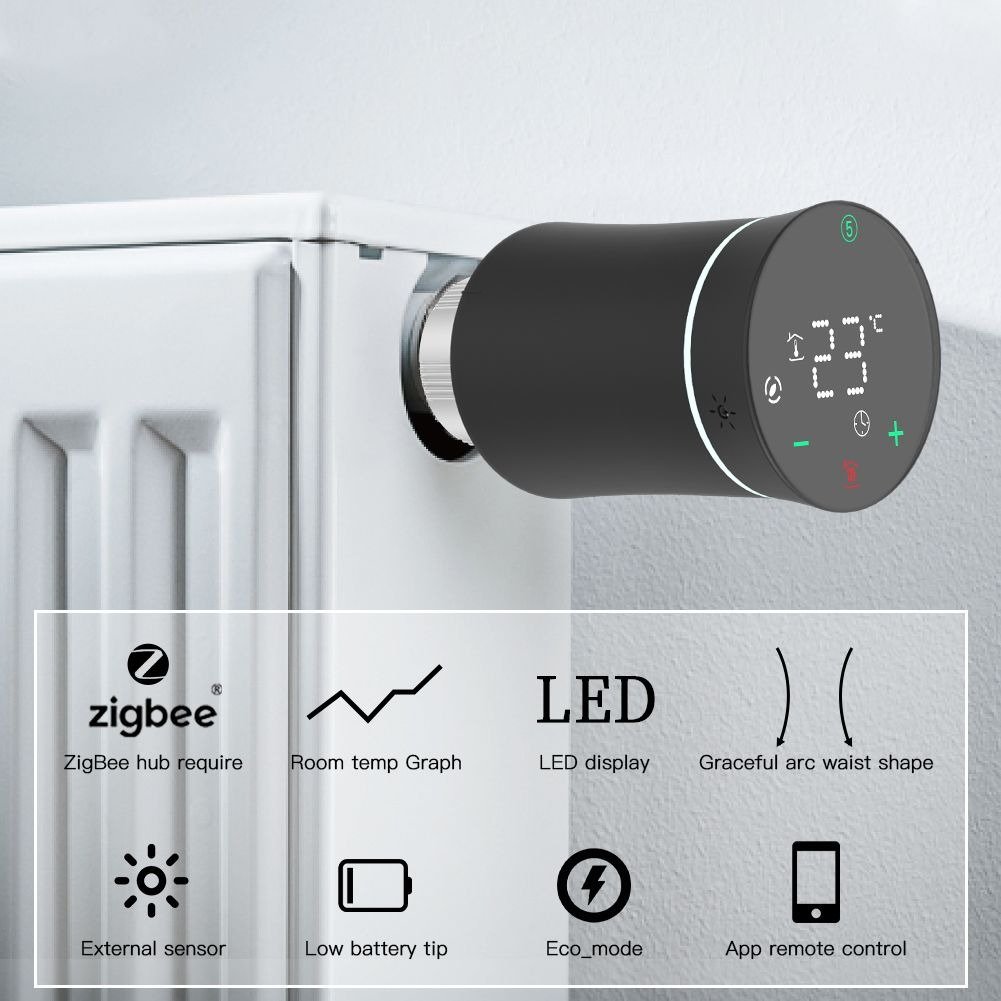
Which Radiator Hose Is the Inlet?
Figuring out which radiator hose is the inlet can feel like a guessing game, especially if you’re new to heating systems. The inlet is the pipe that brings hot water into the radiator from your boiler or heating source. In most setups, it’s the pipe connected to the top or side of the radiator, depending on your system’s design. For instance, in a standard two-pipe system, hot water flows in through one pipe, heats the radiator, and exits through another. If you’re dealing with a one-pipe steam thermostatic radiator valve, the inlet is usually the single pipe feeding the radiator.
To spot the inlet, turn on your heating and carefully feel the pipes. The inlet pipe will heat up first and feel warmer than the outlet. Why does this matter? Installing a thermostatic radiator valve Danfoss or Honeywell on the wrong side can mess up temperature control, leaving rooms too hot or too cold. Knowing the inlet helps you place the valve correctly, ensuring energy efficiency and comfort. If you’re still unsure, IVALVECRAFT’s high-quality valves come with clear guides to make installation a breeze.
Does Thermostatic Radiator Valve Go on Outlet or Inlet?
One of the biggest questions we hear is whether a thermostatic radiator valve goes on the outlet or inlet. The answer is straightforward: it goes on the inlet. Why? A thermostatic radiator valve how does it work question often pops up here. The valve regulates the flow of hot water entering the radiator based on the room’s temperature. Placing it on the inlet lets it control how much hot water gets in, keeping your space cozy without wasting energy.
If you put a thermostatic radiator valve steam or standard TRV on the outlet, it’ll struggle to manage the flow properly. The valve will sense the wrong temperature, causing uneven heating or even system strain. For example, brands like Danfoss or Honeywell design their valves for inlet use to maximize efficiency. Curious about thermostatic radiator valve installation? It’s simple with the right tools, and IVALVECRAFT’s valves are built for easy setup, saving you on thermostatic radiator valve installation cost. Always double-check your system’s layout to confirm the inlet before fitting the valve.
How Do I Know Which Heater Hose Is Inlet?
Not sure which heater hose is the inlet? Don’t stress—it’s easier than it sounds. The inlet hose is the one carrying hot water from your boiler into the radiator. In most homes, it’s the pipe that feels hotter when you turn on the heating. If you’ve got a one-pipe steam thermostatic radiator valve, the inlet is typically the single feed pipe. For two-pipe systems, trace the pipes from the boiler—the one leading into the radiator is your inlet.
A handy trick is to check the radiator’s valves. The inlet often has a valve or connection at the top or side, while the outlet is usually lower. Wondering thermostatic radiator valve how to use? Once you’ve found the inlet, installing a thermostatic radiator valve Honeywell or Danfoss there ensures precise temperature control. Still confused? IVALVECRAFT’s products include clear labeling and support to help you nail the setup. Getting this right means better heating and lower bills, so it’s worth the quick check.
Summary
Choosing the right side for your thermostatic radiator valve doesn’t have to be tricky. By identifying the inlet hose—where hot water enters—and placing your valve there, you’ll enjoy efficient heating and cozy rooms. Whether you’re using a thermostatic radiator valve steam system or a standard setup, brands like IVALVECRAFT make thermostatic radiator valve installation simple and reliable. From spotting the inlet to understanding thermostatic radiator valve how does it work, this guide has you covered. For top-notch valves that save energy and last for years, trust IVALVECRAFT. Choose IVALVECRAFT, choose reliable partner, enjoy the high quality and best service.