
Your hydraulic system is acting up, and you suspect the relief valve. A faulty valve can cause pressure spikes, equipment damage, or even dangerous leaks, costing you time and money. Don’t worry—by spotting the signs early, you can fix the issue and keep your system running smoothly. Read on to learn how to diagnose a bad hydraulic relief valve.
A bad hydraulic relief valve shows signs like unusual noises, pressure fluctuations, or leaks. You might notice the system overheating, slow operation, or a dripping boiler pressure relief valve. Check for inconsistent pressure readings or a leaking pressure relief valve outside to confirm the issue.
Want to dive deeper into spotting and fixing relief valve problems? Let’s break it down step-by-step to help you keep your hydraulic system in top shape.
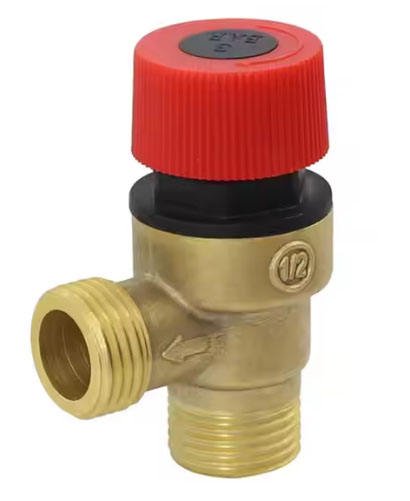
Where Is the Relief Valve on a Hydraulic Pump?
Locating the relief valve is the first step to diagnosing issues. On most hydraulic pumps, the relief valve is near the pump’s outlet or integrated into the pump housing. Look for a small, cylindrical component with an adjustment screw or a discharge pipe, often labeled for easy identification. In complex systems, it might be part of a manifold or control block, so check the system’s schematic if you’re unsure. For example, in a boiler system, the boiler pressure relief valve location is typically near the top or side of the unit, often with a boiler pressure relief valve discharge pipe leading outside.
Why does this matter? A misidentified valve can lead to wrong diagnostics, wasting time and risking further damage. If you notice a pressure relief valve leaking on a combi boiler or a boiler relief valve dripping, it’s a clue you’ve found the right component—but it’s also a sign of trouble. Regular inspection of the valve’s location helps you catch issues early. Ensure the area around the valve is clear for easy access during maintenance. If you’re dealing with a leaking pressure relief valve outside, check the discharge pipe for blockages or damage, as this can mimic a faulty valve. Knowing the exact spot saves you headaches and keeps your system safe.
For businesses like construction procurement or plumbing wholesalers, quick identification of components like the boiler pressure relief valve is critical to minimizing downtime. High-quality valves from manufacturers like IVALVECRAFT ensure stable performance and easy maintenance, reducing the risk of issues like boiler pressure relief valve replacement due to poor design.
What Is the Purpose of the Main Relief Valve in a Hydraulic System?
The main relief valve in a hydraulic system is your equipment’s safety guard. Its job is to control pressure by releasing excess fluid when the system gets too pressurized. Without it, high pressure could damage pumps, hoses, or even cause catastrophic failures. Think of it like a pressure cooker’s safety valve—it lets off steam to prevent an explosion. In a boiler, the boiler pressure relief valve does the same, preventing dangerous overpressure that could lead to leaks or bursts.
Why is this critical? A malfunctioning valve can lead to serious problems. For instance, is a leaking pressure relief valve dangerous? Absolutely—it can cause system inefficiencies, fluid loss, or even safety hazards if the pressure isn’t controlled. A boiler pressure relief valve leaking on a combi boiler might seem minor, but it could signal deeper issues like overpressure or corrosion. The valve ensures your system operates within safe limits, protecting both equipment and workers. It also maintains consistent performance, which is vital for industries like building materials wholesalers or DIY chain supermarkets relying on reliable hydraulic systems.
Regular maintenance is key. Check for signs like a pressure relief valve leaking outside or a boiler relief valve dripping, as these indicate the valve isn’t holding pressure properly. If you’re replacing a valve, opt for high-quality options like IVALVECRAFT’s brass safety valves, designed for durability and stable export pressure. A good valve reduces the need for frequent boiler pressure relief valve replacement and ensures sufficient flow rate, keeping your operations smooth and cost-effective.
Summary
A bad hydraulic relief valve can disrupt your operations, but knowing the signs—unusual noises, pressure issues, or leaks like a boiler relief valve dripping—helps you act fast. Locate the valve near the pump’s outlet or boiler, and understand its role in preventing overpressure to keep your system safe. Regular checks and quality components prevent costly downtime. For businesses in plumbing or construction, reliable valves are a must.
Choose IVALVECRAFT, choose reliable partner, enjoy the high quality and best service.